
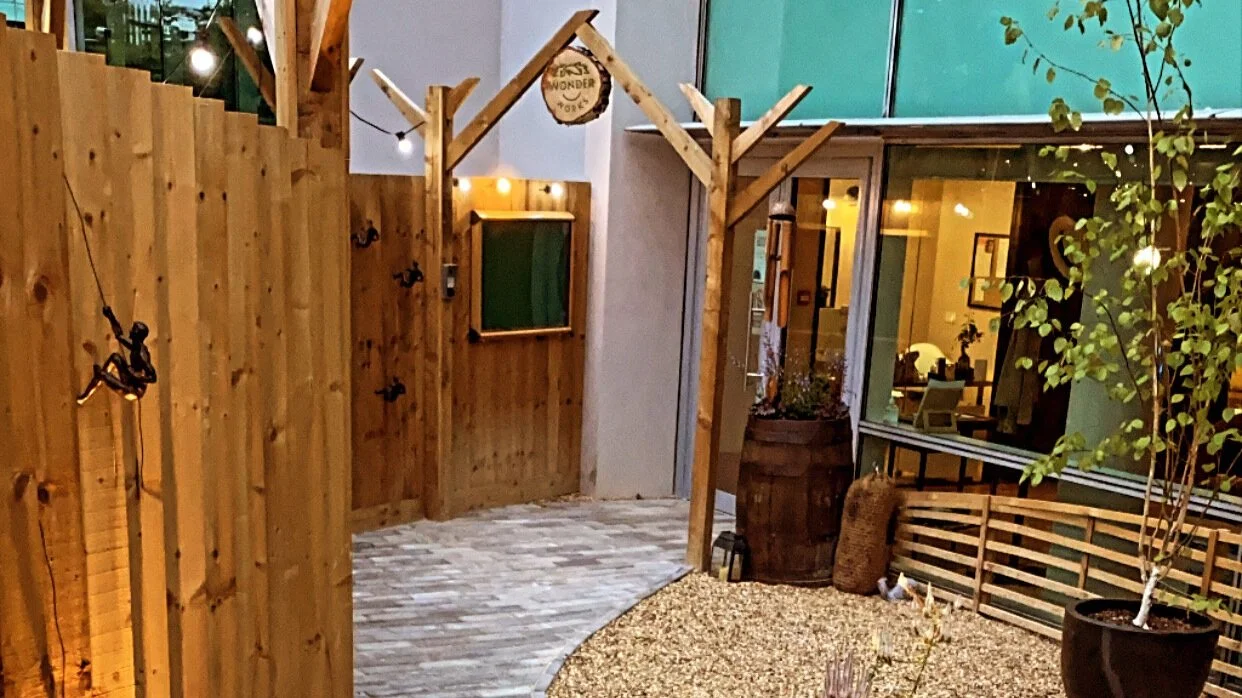
We know that your little one getting enough rest is really important. Effective sleep and rest strategies are important factors in enhancing children’s wellbeing and helping them to learn and feel secure. Every child’s needs are different so we will provide flexible opportunities for children to take rests or sleep as they need and desire, as well as providing cosy nooks for them to relax and take some quiet time to themselves.
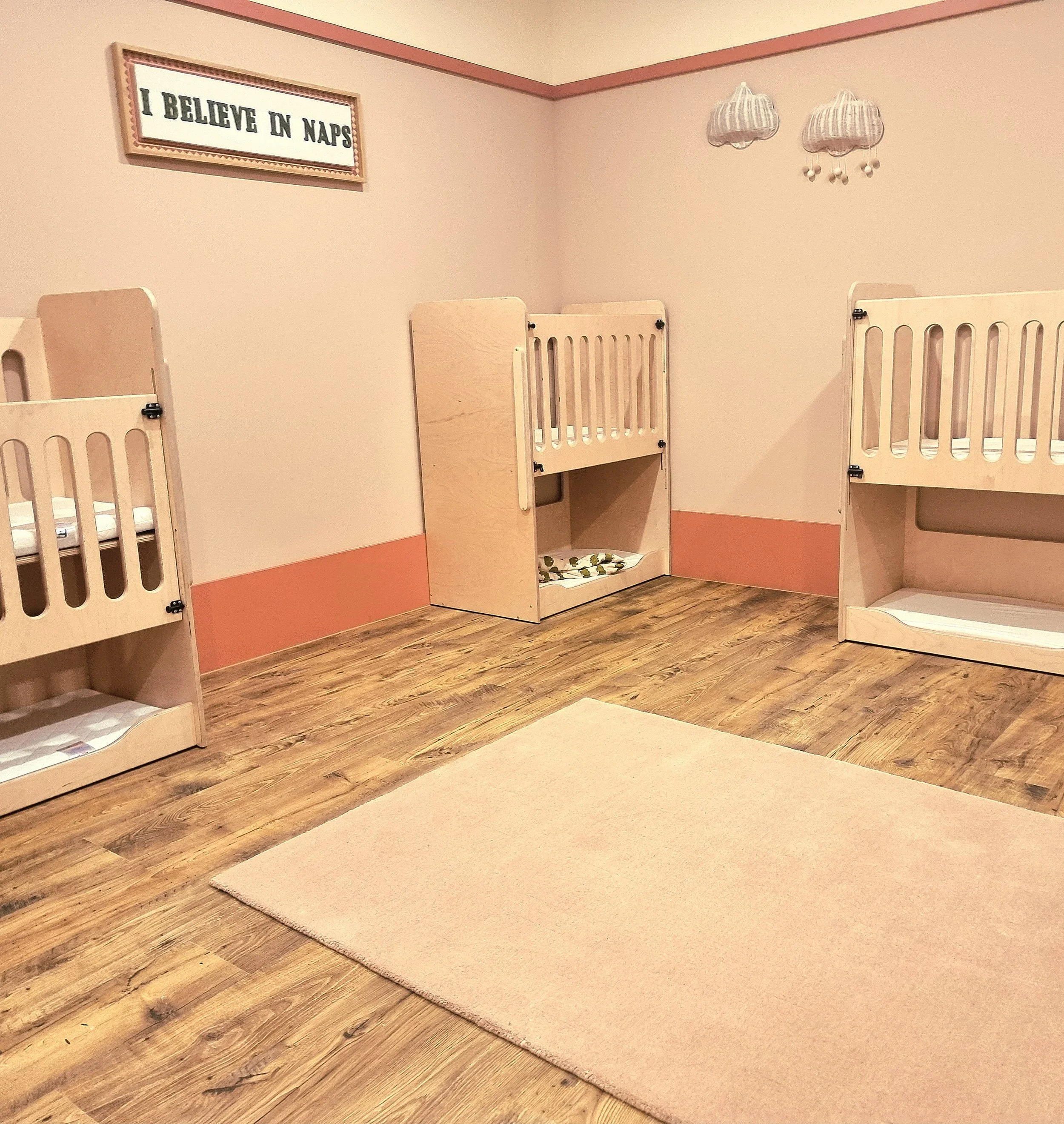
Sleep in The Nest
In our Nest (Under 2’s room) we have a dedicated sleeping area, which is both cosy and relaxing.
Babies aged 12 months and under will sleep in a cot, travel cot, Moses basket or carry cot that meets recognised British Safety Standards.
Babies and toddlers over 12 months may sleep in an age-appropriate sleep space such as a cot, low bed, sleep mat or coracle, depending on their developmental stage and the nursery environment.
In The Nest, we follow each baby’s individual sleep needs and routines, aiming to align them as closely as possible with home patterns. During settling-in sessions, educators discuss the child’s home sleep routines with families. This is also an opportunity to explain the nursery day and highlight any aspects of the nursery environment or routine that may affect the child’s ability to follow their usual sleep pattern.
An agreed sleep strategy is ideally established before the child starts nursery. However, because we respond to each baby’s emotional and physical cues, their sleep at nursery may not perfectly mirror home routines. Differences in environment, activities, and routines can impact how and when babies sleep.
Open communication with families is essential to build trust, support strong relationships, and ensure that children’s individual needs are met. Sleep is vital for babies’ growth and development, and going against their natural rhythms may negatively affect their wellbeing, enjoyment, and relationships at nursery.
Babies are always placed onto their backs for every sleep, even once they are able to roll independently. If they roll themselves into another position, staff will not reposition them unless there is an immediate safety concern.
Young babies will not be woken during sleep except in exceptional circumstances, such as an emergency or a one-off situation, for example, a family arriving early to collect a child. If it becomes necessary to stir a sleeping baby, this will always be done gently, slowly, and sensitively, in order to protect both their sleep and emotional wellbeing.

Sleep In The Burrow
Our older children can sleep on enjoy the sensory feel of fresh linen sheets, on firm floor mattresses. The gentle sound of classical music may be used as they drift off and recharge their batteries ready for more adventures later on.
In The Burrow, toddlers have a designated sleep zone after lunch, typically between 12:30 pm and 2:30 pm. This special area provides a calm and relaxing environment for children who need to sleep. Blinds are lowered, lights dimmed, and soft, relaxing music may be played to create a soothing atmosphere.
An educator sits with the children during this time, supporting them to relax through quiet stories, gentle breathing exercises, or comforting interactions such as snuggling or back stroking. By around 2:00 pm, many children begin to wake naturally, and by 2:30 pm, the room returns fully to its normal daytime activities.
Children who wish to continue sleeping are not actively disturbed. However, the change in environment and room activity may encourage them to wake naturally. Children who do not require a daytime sleep are supported to rest, engage in quiet play, or participate in other nursery activities. Their experiences are not negatively impacted by the sleep zone.
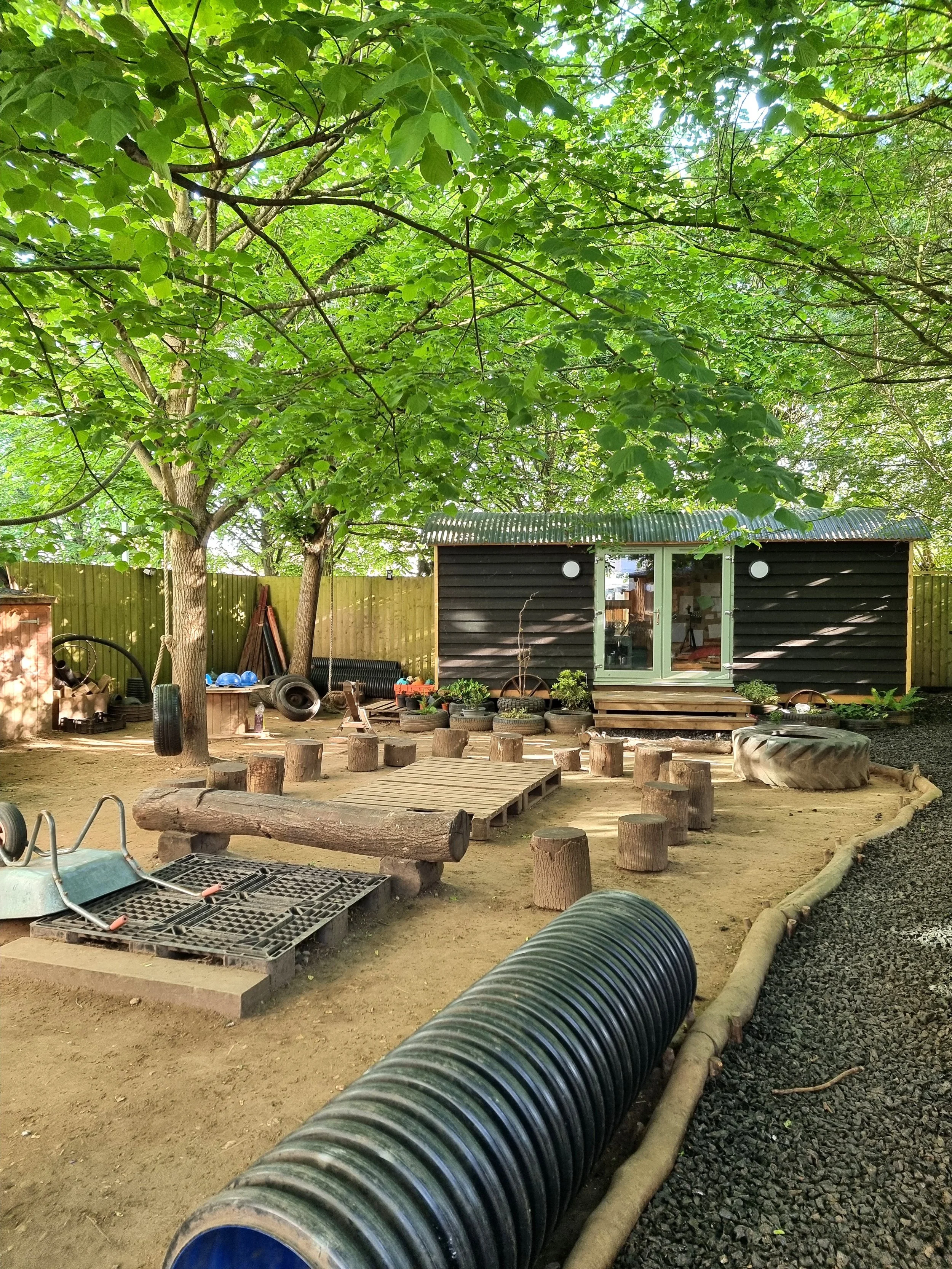
Sleep and Rest in The Forest
In the Forest, preschool children’s individual sleep and rest needs are recognised. Many children still benefit from a post-lunch sleep or quiet rest to support wellbeing, development, and engagement. Children are offered autonomy to decide whether they wish to sleep or rest, fostering independence and self-awareness.
Sleep and rest take place in a safe, comfortable area of the Forest, either outdoors during good weather or in cosy indoor spaces. Educators maintain a calm environment with soft natural sounds or gentle music to support relaxation.
During lunch, educators engage children in discussions about how they feel and whether they wish to rest or sleep. This allows children to make meaningful choices based on their current state of tiredness rather than pre-set assumptions.
FAQ’s
Where will my child sleep if they need a nap?
Each of our rooms have safe, age appropriate sleeping solutions. Each child has their own sleep bag with their own bedding. In the Nest sleep room we monitor room temperature and we follow the safe sleeping guidance provided by the Lullaby Trust How to reduce the risk of SIDS for your baby - The Lullaby Trust
Our older babies and children sleep on comfy, sleep mats again with their own bedding. All sleeping babies and children are supervised and are checked on every 10 minutes whilst they sleep.
We do not set sleep limits for children, we follow their lead, and they sleep and rest when they are tired, we follow their routine.
I’ve heard about outdoor sleeping- do you do this at The WonderWorks?
Yes we do! Not always but it is something we like to do when the weather is suitable. There is so much evidence to support the health and wellbeing benefits of sleeping outdoors in the fresh air and we know the children do love it. Our usual safe sleeping procedures are always followed and children are always placed to sleep in the shade.
We have a specific sleep policy if you want to find out more about our approach to sleep, you can find a copy in our policies section.
The WonderWorks sleep environment
The Nest- Our under 2’s room has a dedicated sleep area, which is set up to provide responsive and quality sleep for our babies and youngest children.
-Cots and sleep mats which meet British Safety Standards and are cosy, safe and comfortable
-Curtained area to control light and distractions- dark and quiet
-Lighting- soft with dim lamps and twinkly lights
-Sound- soft classical/calming music will usually be played to create a soothing ambiance
-Temperature- this area plus each induvial sleep pot is monitored to ensure they are not too warm 16-20°C (Lullaby Trust)
-Individual light bedding for each child (or their own sleeping bag)
-Their Comforters are available- babies over 12 months
-Visual sleep check carried out every 10 minutes and recorded by our educators. Where a baby is less than 6 months old a staff member will remain present in the sleep room with them
-We follow the individual needs/routines of babies and toddlers
The Burrow - Our over 2’s room has furniture such as bean bags, sofa, and cushions for children to rest on during the day. But our routine and room moves into a ‘sleep zone’ between 12.30pm and 2.30pm every day. Our ‘sleep zone’ means:
-Children will be asked to go and wash their hands and faces and go to the toilet or change their nappy before sleep
-Blinds are pulled down and lights dimmed to create a soft, sleepy atmosphere
-Children have their bed mats laid out in the lounge area- this is considered a protected space, away from the rest of the rest of the room
-Children have their personal bedding bag with fresh bedding, including a soft cotton sheet and a lightweight blanket. Their bed mat will be made up for them with care, by an Educator in advance of them needing it. Children may be asked to be involved in setting up their mat and helping to make their own bed
-Children will have their comforters available
-Some relaxing music may be played softly in the background
-Educators will sit on the floor with children, encouraging them to sleep, reading a story, doing some relaxation breathing, stroke their back, speak quietly, and encourage children to lie down, snuggle and relax
-Sleep is something done with the children- not to them. They are guided and supported so that sleep time is seen positively and is not a battle
-Children who do not want to sleep, are encouraged to recharge their batteries through quiet play and rest
-As children awake, they can get up off their sleep mat and return to play at their own pace. They are encouraged to have a sip of water and take a slow relaxed transition back to play
-Educators supervise sleeping children- they are never unsupervised; in addition, they visually check each child regularly to check they are safe and comfortable
Usually by 2pm the room is beginning to return to its awake state as most of the children are awake and playing, and at 2.30pm the room moves out of its ‘sleep zone’ and all usual activities have fully recommenced. If a child wanted to stay asleep, we would not actively wake them up, but we would anticipate that the change in atmosphere and noise in the room is likely to bring them to a waking state naturally.
Please note if your child attends the nursery for the afternoon or is older and not requiring any sleep or rest period our educators ensure they are able to play and learn by using the other areas of the nursery room and gardens. Their experience is not negatively impacted by the ‘sleep zone’.
Transition in and out of sleep times are very important to us. They should feel:
· Calm
· Gentle
· Unrushed
· Child led
· Respectful
Children are offered a drink of water and cuddle when they wake up, to help them slowly return to play. Children will never be woken abruptly or suddenly.
There is helpful sleep information online. We would always recommend you access reputable and safe advice from reliable organisations. Here are some suggestions of websites which you may find helpful.
The Lullaby Trust - Safer sleep for babies, Support for families